Episode 127: Helen Jewett
- Elizabeth Scott
- Jul 1, 2025
- 3 min read

On a rainy morning in April 1836, the quiet routine of a New York City brothel was shattered by fire and violence. Helen Jewett, a young woman known for her beauty, wit, and intelligence, was found brutally murdered in her bed. Her body was partially burned, and her head showed signs of a savage attack. The shocking crime quickly became one of the most sensational and widely discussed cases of the 19th century, gripping the city and forever changing the way crime stories were reported in America.
Helen Jewett was not her birth name. Born Dorcas Doyen in 1813 in a small Maine town, she faced hardship early in life. After losing her mother and falling out of favor with a wealthy family she served, Dorcas entered the world of sex work at a young age. She adopted several aliases over the years before settling on Helen Jewett, inspired, it’s said, by the legendary beauty Helen of Troy. Unlike many of her peers, Helen was highly literate and well-read, known for her sharp mind and charm as much as her striking appearance.

Her murder took place in the brothel on Thomas Street, run by madam Rosina Townsend. The crime scene was chilling—a bloodstained bed, a broken hatchet with traces of blood found in the backyard, and a dark cloak abandoned near the fence. The prime suspect was a young man named Richard P. Robinson, who had visited Helen that night under the alias Frank Rivers. Robinson came from a respectable family and worked as a clerk, which made the accusation all the more scandalous.
When Robinson was confronted with the crime, he showed little visible emotion. The case against him rested heavily on circumstantial evidence and witness testimonies, mainly from the women who lived in the brothel—testimonies that the judge instructed the jury to view with skepticism due to their profession.
Robinson’s trial became a media sensation unlike anything seen before. Thousands crowded the courtroom, and newspapers from across the country descended to cover every detail. James Gordon Bennett of the New York Herald took the lead, using lurid, dramatic reporting that blurred the lines between fact and fiction. His coverage transformed the trial into a gripping story of sex, class, and power, drawing massive public interest and setting a new standard for crime journalism.
Despite strong circumstantial evidence, Robinson’s defense team, led by former district attorney Ogden Hoffman, dismantled the prosecution’s case. Hoffman questioned the credibility of witnesses, introduced an alibi, and suggested possible conspiracy among the brothel’s women. The judge also played a role by instructing the jury to discount the testimonies of prostitutes. After less than half an hour of deliberation, the jury acquitted Robinson. The courtroom erupted in shock and divided public reaction.
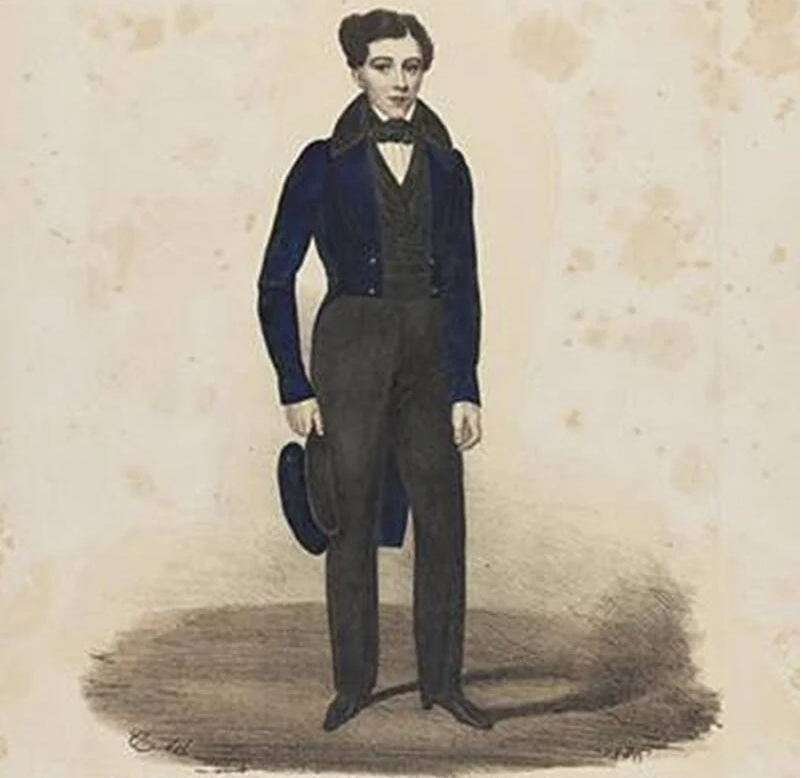
The case left a lasting impact on New York City and the nation. It helped popularize sensationalized crime reporting, which fueled the rise of “yellow journalism” and the fierce newspaper wars later in the century. Although Robinson was never retried and eventually moved to Texas, dying years later, Helen Jewett’s true killer was never found.
Beyond the headlines, the story of Helen Jewett highlights the harsh realities faced by women like her in 19th-century America—women caught between survival and society’s harsh judgment. Her life and death exposed social anxieties about gender, class, and morality that continue to resonate today.
This episode dives deep into Helen Jewett’s life, her brutal murder, and the trial that captivated a nation, exploring how this case shaped American crime reporting and reflected the complicated position of women in the early 1800s.


Comments